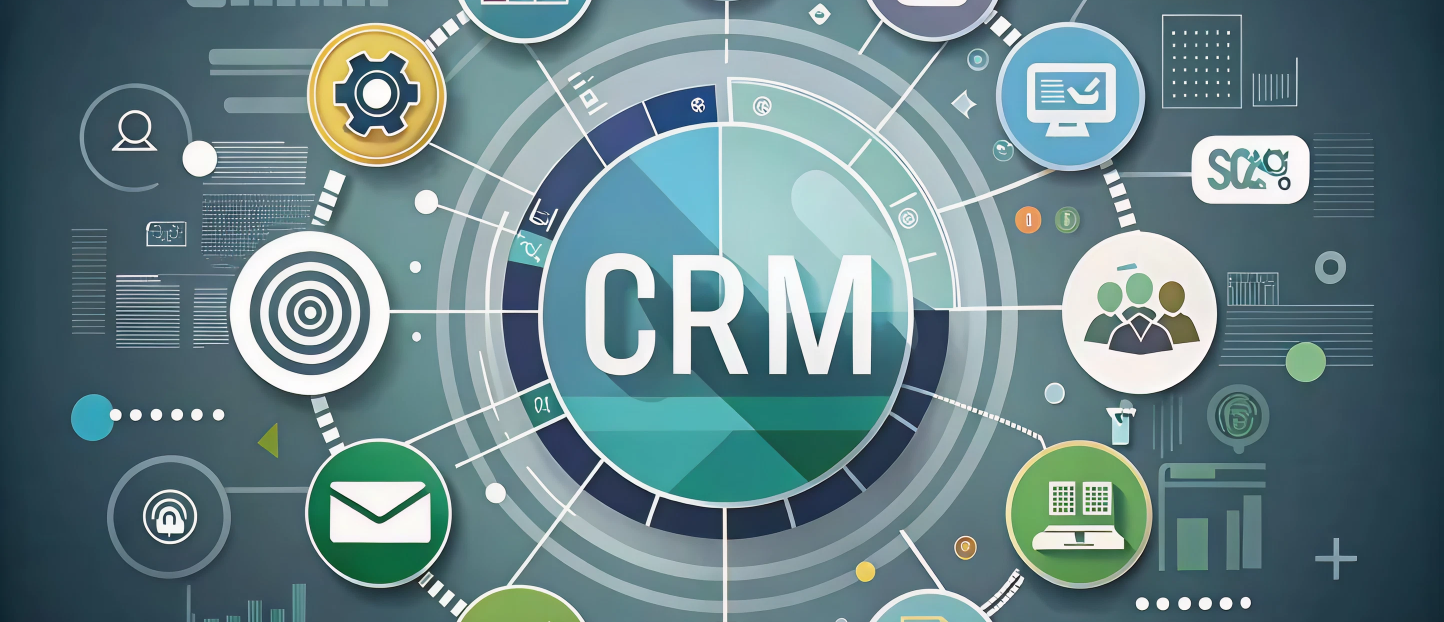

Sluggish follow through holds sellers back. A callback slips minds when attention drifts elsewhere. Messages wait untouched in outboxes. Hot opportunities fade without notice because a reminder never came. When pace increases, those pauses quietly reduce revenue. Sales Automation Software changes how this works. Systems step in when memory fails, replacing scattered spreadsheets with structured processes. Actions trigger at the right time, guided by clear rules built into the workflow. Every interaction gets recorded without manual effort. Progress continues even when attention shifts elsewhere.
As businesses receive more enquiries from websites, promotions, social platforms, events, and referrals, relying on manual processes becomes risky. A structured system does more than store names. It pushes every opportunity forward using automation and tracking.
Manual Follow Ups Break Down as Sales Teams Expand
Sales professionals handling large volumes of leads every week face familiar issues:
Missed callbacks
Delayed email responses
Inconsistent follow up timing
Poor visibility into who contacted whom
Leads going cold without notice
Sticky notes, inbox searches, and scattered chat threads make consistency difficult. Even experienced teams struggle to maintain timing when lead volume increases.
Modern sales lead management software removes that unpredictability. Instead of relying on reminders, actions are triggered by behaviour and real time activity. Follow up becomes structured. Each step connects logically to the next. Gaps where opportunities once slipped through disappear.
How Sales Automation Software Reduces Manual Tasks
Automation does not replace real conversations. It removes repetitive administrative work that slows them down.
1. Automatic Follow Up Sequences
Once a workflow is activated, the system handles the rest. Messages go out based on prospect behaviour rather than guesswork.
For example:
A follow up email is sent automatically if no reply is received within three days after a demo
A message is triggered instantly after someone downloads pricing details
A re engagement email is sent if communication pauses beyond a defined period
Timing remains consistent without anyone tracking it manually.
2. Smart Task Creation for Sales Teams
A strong sales and lead management tool turns activity into actionable tasks instantly.
For example:
A task is created when a prospect revisits the pricing page
A reminder appears if a deal remains inactive past its deadline
A call task is generated automatically after a proposal is sent
No opportunity sits idle because the system creates momentum.
3. Automated Lead Assignment
When large numbers of leads arrive at once, manual sorting delays response time. Lead management and tracking software routes each lead automatically based on predefined rules such as territory, product interest, or representative workload.
Speed at first contact significantly increases conversion rates. Early response builds trust and improves engagement.
4. Live Interaction Monitoring
Automation becomes powerful when paired with visibility. Sales Automation Software tracks:
Email opens
Link clicks
Website page visits
Form submissions
Message replies
The moment engagement increases, the assigned representative receives an alert. Instead of random outreach, contact happens when interest is strongest.
5. Automatic Pipeline Movement
Manual pipeline updates slow teams and create reporting errors. Sales lead management software can move deals forward when predefined conditions are met.
For example:
Sending a proposal automatically shifts the deal into the proposal stage
Payment confirmation moves the deal into closed won status
Extended inactivity triggers alerts for review
Accurate forecasting becomes easier because stage updates are not dependent on manual entry.
The Business Impact of Eliminating Manual Follow Ups
When automation replaces repetitive follow up tasks, businesses typically see:
Faster response times
Higher lead to customer conversion rates
Improved consistency across all prospects
Better revenue forecasting accuracy
Reduced administrative workload
Increased accountability within sales teams
Sales representatives spend less time updating systems and more time speaking with qualified prospects.
Features That Matter in Sales Automation Software
Not every system eliminates manual work effectively. Businesses evaluating sales lead management software should prioritise:
Workflow Customisation
Automation should match real sales processes, not force rigid structures.
Behaviour Based Triggers
Actions must respond to customer behaviour rather than simple time delays.
Centralised Lead Tracking
All calls, emails, notes, and interactions must live in one shared location.
Real Time Alerts
Sales teams need instant visibility into prospect engagement.
Integration Compatibility
The platform should connect smoothly with marketing platforms, email systems, messaging tools, and CRM environments.
Scalable Infrastructure
As lead volume increases, performance must remain stable without requiring system replacements.
A strong sales and lead management tool integrates automation with tracking and reporting instead of offering disconnected features.
When Sales Automation Becomes Essential
Automation becomes necessary when:
Lead volume increases rapidly
Teams expand beyond five or six representatives
Follow up consistency declines
Conversion rates fluctuate unexpectedly
Managers struggle to track activity
At this stage, manual tracking creates revenue leakage. Structured lead management and tracking software ensures every enquiry enters a defined workflow and every action is recorded clearly.
Conclusion
Lost revenue often comes from missed follow ups rather than lack of effort. In fast moving sales environments, consistency outperforms manual hustle. Sales Automation Software ensures every lead receives timely communication, every stage updates accurately, and every interaction remains visible.
Sales teams shift focus back to selling instead of remembering. Managers rely on real time data instead of assumptions. Revenue becomes more predictable when automation removes gaps.
If your team still relies on spreadsheets or manual reminders, now is the time to upgrade. A modern sales and lead management tool such as Workpex brings together automation, tracking, and performance insights in one connected system. Instead of chasing follow ups, let structured workflows move deals forward automatically. Explore how Workpex can help eliminate manual follow ups and turn every lead into a consistent opportunity for growth.