
While gaining new customers will always receive focus, what drives your bottom line is how many customers you are able to keep.
Most businesses aren’t losing their customers because they have weak offerings, rather they are losing their customers because the business has not followed up consistently, is not engaging with the customer, or there is no formalized manner in which to manage a customer’s experience over the long term.
With ever-increasing expectations of today’s customers, businesses must now have a system in place to actively manage their retention.
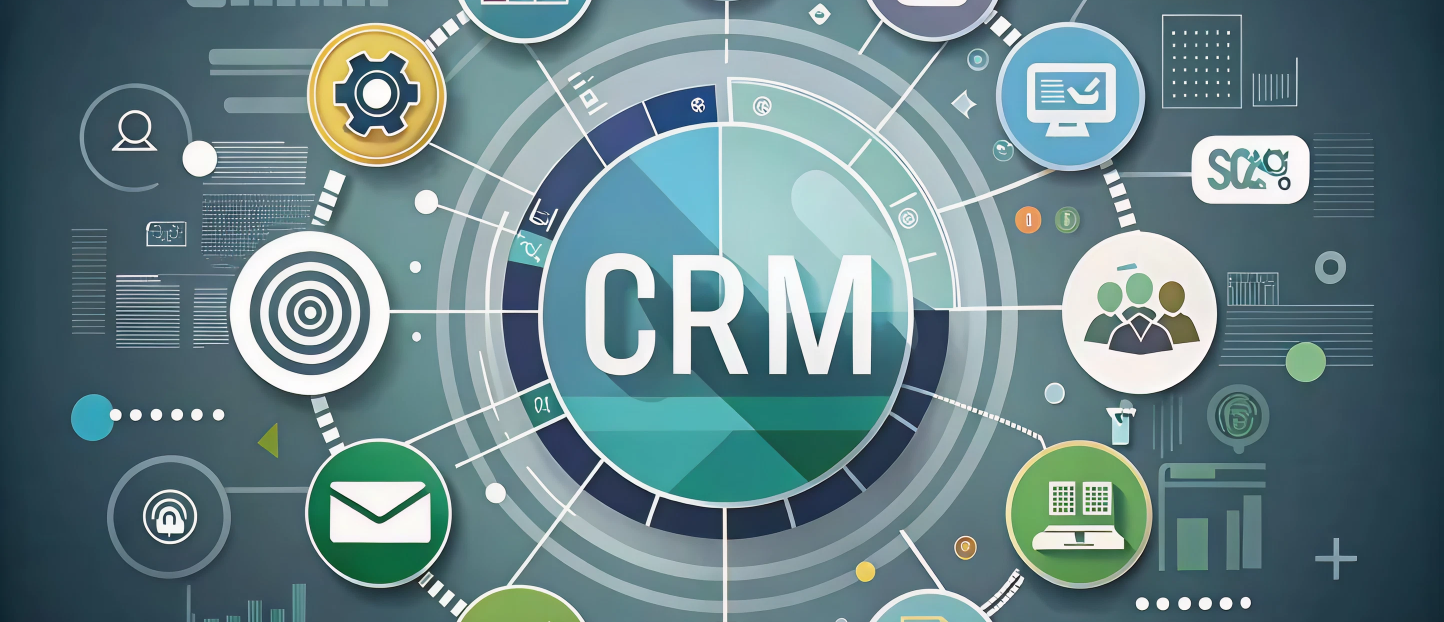
Customer retention software, built on a CRM platform, provides the system that is required by today’s businesses to successfully manage customer retention.
In addition to providing a method to track the data, today’s CRMs- especially when combined with CRM lead management software and sales lead management software, will also provide tools that help you reduce customer attrition, increase the number of repeat purchases, and support stronger sales and customer retention, leading to predictable, long-term revenues.
The Real Retention Challenge
Retention issues generally do not emerge overnight; they occur gradually via tiny holes over time:
Customers aren't contacted after making an initial purchase
No visibility regarding previous interactions or their preferences
Collaborating among teams is sporadic
Key customers are unidentified or overlooked
There is no mechanism to identify multiple purchases by the same customer.
These holes generate friction throughout the customer journey such that over time customers become disengaged from the business, not due to an intention to discontinue doing business with that company, but rather as a result of being unable to connect with the company's relevance.
In the absence of a structured system like customer retention software, it becomes challenging to accurately predict how many customers will discontinue purchasing from your company and therefore limits your ability to grow retention.
How CRM Transforms Retention and Loyalty
1. Recognizing Customers in Danger of Churning
Customer churn doesn't happen overnight; there's a pattern of behavior leading up to discontinuing your relationship with the customer. The following behaviors are indicative of a disengaged customer:
No longer responding to your communications
Delaying purchases
Reducing frequency of interactions
By capturing this behavioral data with the help of a CRM and lead management software, businesses can implement:
An appropriate follow-up response at the right moment
Run re-engagement campaigns
Develop targeted incentivized offers to retain the customer prior to leaving the business
This provides the business with an opportunity to prevent the loss of a customer rather than reacting to having lost a customer, improving overall sales and customer retention.
2. Converting New Buyers into Repeat Buyers
The initial purchase from a new customer is just the beginning of your retention effort. The real measure of success is what happens after the first purchase.
Forward-thinking organizations are using customer retention software and sales lead management software to structure their communications post-purchase by implementing:
Delivery follow-up
Onboarding / usage follow-up
Automated reminders for re-orders or upgrade offers
Maintaining this level of consistent communication places your brand in front of the customer more often, which builds trust and maintains your brand top-of-mind.
According to industry studies, existing customers spent 67% more than new customers. This isn't due to pricing; it's based on the familiarity and trust customers have developed for you through ongoing communication. Therefore, using a CRM enables you to maintain your customer relationship through ongoing engagement and improve sales and customer retention.
3. Establishing Customer Lifetime Value Using Segmentation
Regardless of your industry, not all customers contribute to the overall revenue of your business equally.
By using the CRM lead management software to segment customers by:
Purchase frequency
Average ticket amount
Frequency of interaction with the retailer
Creates visibility for businesses to:
Identify high-value customers
Develop an appropriate marketing strategy per segment type
This level of segmentation, supported by customer retention software, helps businesses focus on long-term value and improve sales and customer retention outcomes.
Why Retention Outperforms Acquisition
Retention can also be implemented as a means for increasing your company's bottom line.
Current customers typically have a higher average purchase than potential customers.
The majority of your business's total revenue comes from repeat customers.
Your greatest advocates will typically be your loyal consumers.
Unfortunately, bad experiences with companies can often cause consumers to move on quickly from that relationship; nearly 69% of consumers will stop working with a particular company after having had one negative experience.
Having a structured system like customer retention software in place allows you the ability to create consistent experiences across every interaction.
CRM: Bridging Sales and Long-Term Relationships
A lot of organizations separate the processes of sales and retention. As a result, they experience a lack of connection after the initial purchase is made.
A CRM helps bridge this disconnect by:
Tracking the entire customer journey
Linking your lead data with ongoing interactions
Maintaining continuity from when the customer was acquired through to when that customer returns to buy again.
CRM lead management software and sales lead management software are therefore necessary for not only closing deals but also maintaining customer relationships long-term and improving sales and customer retention.
What to Look for in Customer Retention Software
A successful customer retention software solution will support ongoing customer retention by:
Having a centralized customer database to provide complete visibility into the customer’s needs.
Providing the ability for automatic follow-ups and workflows.
Tracking customer activities in real time.
Providing insights on customer behavior and engagement patterns.
Integrating with sales and marketing systems.
The primary goal is not only to manage your customers but also to continually enhance your methods of interaction with each one of them while strengthening sales and customer retention.
Conclusion
The importance of retaining customers cannot be overstated and is vital for your sustained growth.
A CRM allows you to turn retention efforts into a systematic approach, with clear data on how to proactively identify customer risk, maintain consistent engagement with the customer, and create true relationships with your customers over time.
Incorporating CRM lead management software, sales lead management software, and workflows supported by customer retention software into your organization allows you to move past one-time sales and create value for your customers on an ongoing basis, strengthening sales and customer retention.
With a solution such as Workpex, you can use one platform to manage your customer's entire lifecycle - from initial contact to repeat purchases.
Long-term growth comes from retaining your customers, and not just adding more customers.