It is important that the issue of business data management security is getting more urgent for those businesses that have the need for storing customer information, transaction history, communication with employees, and other aspects related to company activity. Many people still use spreadsheets, email exchanges, notes, or other applications, leading to duplicated entries and broader data exposure.
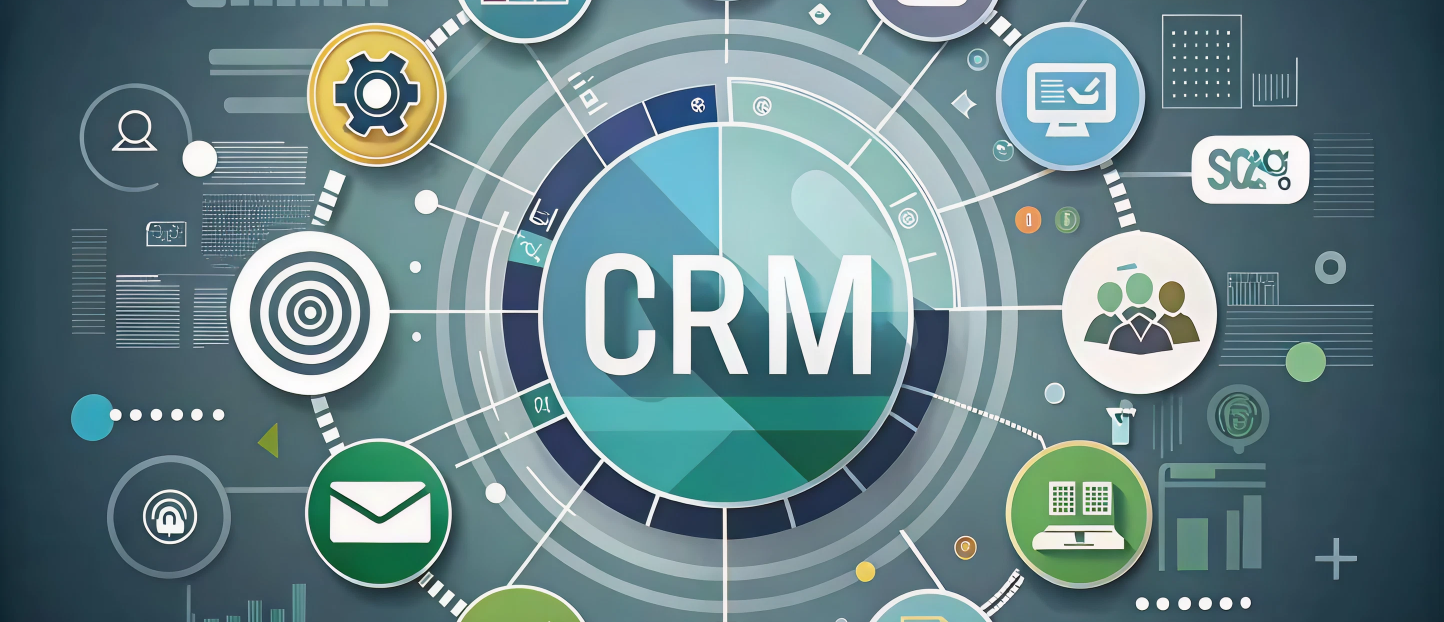
It is not surprising that CRM software for business data management is gaining more popularity among different businesses due to the possibility to address operational issues of the company. The use of a contemporary CRM will guarantee efficient data management, proper control over the information, and easy access to it. Cloud based CRM solutions prove to be especially relevant nowadays.
Challenges Businesses Face in Managing Data
Businesses receive a lot of information on a daily basis through:
Customer queries
Sale transactions
Marketing activities
Phone calls and emails
Support ticket management
Internal communication
Without one comprehensive system for managing this information, many issues may arise, such as:
Information being found in several different systems
Repetitive information or lack of record
Limited security measures
Lack of transparency of past customer contacts
Manual errors when using Excel
Poor backup strategy
Extra/uncontrolled data access
This leads to poor decision making and low productivity levels.
Why Businesses Need CRM Software for Data Management
A good CRM integrates data collected by various departments into a single database. The use of CRM as opposed to manual processes enables the business to:
Integrate customer information
Maintain records of communications
Keep track of sales activities
Organize and store documentation
Monitor access levels
Consequently, organizations can increase efficiency and minimize risks related to manual processes using business data management software.
Centralized Storage Improves Accessibility
One of the key benefits of CRM systems is their data storage in one place. Departments like:
Sales
Marketing
Support
Operations
Management
all have access to one common and current source. They won’t be confused because of the use of multiple apps or excel sheets. For instance, when a sales representative changes customer data, the support team will immediately get updated.
Stronger Data Security and Access Control
Information protection should be a priority. A protected CRM system will help organizations to manage:
User accounts and permission levels
Data visibility and sharing settings
Activity monitoring of employees
Strong sign-in security measures
Automatic backups and recoveries
Such measures prevent any chances of information being breached and increase compliance for those businesses handling sensitive data of customers. Businesses looking for CRM for data security often prioritize these features for better operational control.
Take action: protect your customer information by reviewing their access and allowing loggings of activities.
Cloud-Based CRM Solutions Improve Data Safety
Local storage and the paper-based system put the company at higher risk of losing important data because of technical failures. The advantages that cloud based customer relationship management systems provide include the following:
Backups and redundancy
Data encryption in the cloud
Secure and remote access
Synchronization
Reducing the dependence on local infrastructure
Cloud based CRM solutions are a good option for organizations that manage remote teams and field sales operations.
Improved Customer Data Management
Customer information is perhaps the most important asset for any business organization. A customer relationship management system allows a company to:
Organize customer information
Record all communication
Monitor interactions and follow-ups
Safeguard documentation and contractual agreements
Efficiently accessing information enables a team to provide better customer service. Centralized customer management is something many companies favor, including businesses adopting CRM software in India and elsewhere.
Reduced Risk from Manual Processes
Manual data processing results in:
Duplicates
Incomplete or obsolete information
Delayed updating
Mistakes
Miscommunication
Secure CRM software helps to avoid all these problems through automation of data input and tracking. For instance, automated tracking of the interaction after a sales conversation prevents any need to manually enter information into spreadsheets.
Real-Time Reporting and Monitoring
Good, up-to-date information leads to good decisions. Reporting capabilities in CRM typically have the following components:
Real-time sales dashboard
Customer activity timeline
Performance reports for teams
Lead tracking and analysis
This enables managers to identify problems and address them immediately.
Scalability for Growing Businesses
With increasing business size, manually handling customer and business data cannot be sustainable. Scalable cloud CRM makes sure that the company can cope with:
Increasing numbers of contacts
Many teams and departments
More number of sales staff
Greater amount of communication
To sustain processes over the long run.
Real-World Use Case
Imagine a business whose customers contact them through WhatsApp, phones, and even web forms. An organization can encounter these challenges without a proper system:
Lost leads
Redundant profiles
Dependence on old data
With a proper CRM solution, the organization will be able to:
Combine all their customer communication
Have all the communications history
Manage who has access
Automate reports
Manage customer follow-ups
The results include improved time management and enhanced customer relationships.
Conclusion
A well-functioning structure is required for managing company information and maintaining its security. Having CRM software for business data management will allow businesses to:
Organize and centralize data
Protect data better
Minimize human error
Improve customer management
Increase collaboration
Facilitate growth
No matter whether you have a new or an established business, using cloud based CRM solutions and business data management software will enable you to work more efficiently and keep your data safe.
Get started securing your information today: Discover Workpex’s cloud CRM solution and protect customer data, automate backups, and optimize processes. Schedule a demonstration to get more efficient right away.